

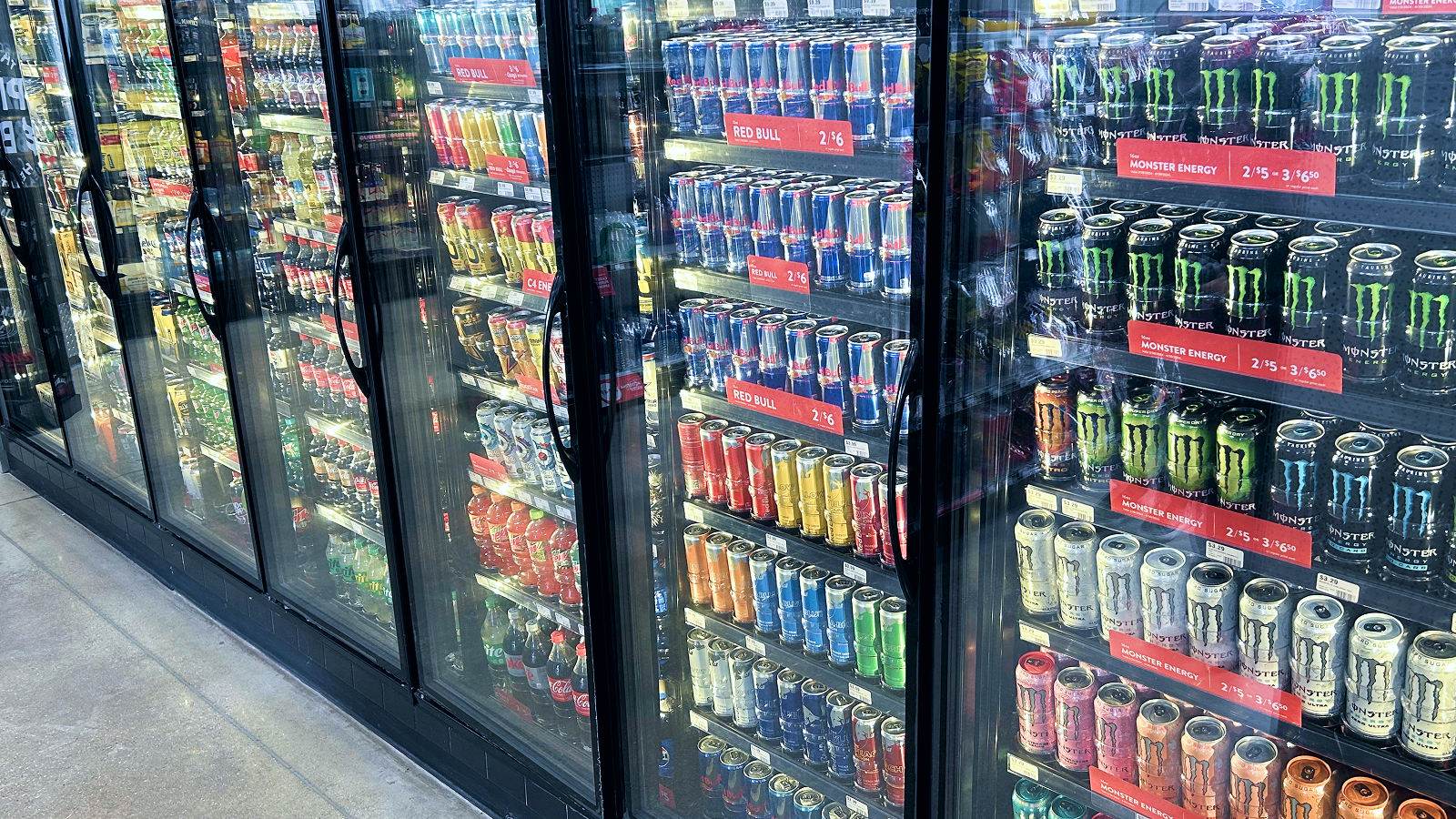
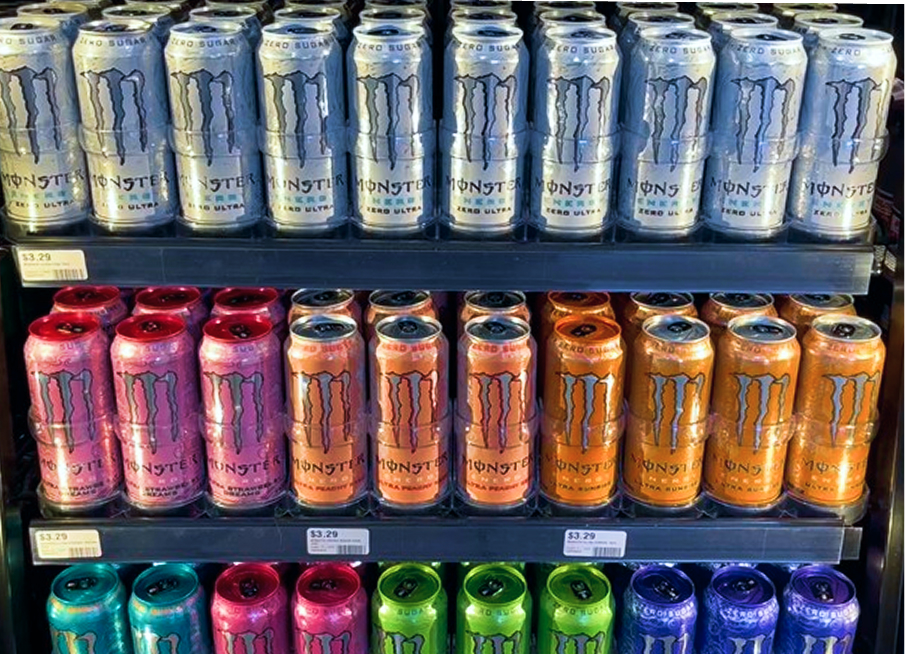
As energy drinks keep accelerating and shopper trips get shorter, the way beverages are presented is doing more work than ever — and the cold vault is where retailers either capture the trip or lose it.
Walk into any convenience store in the country at 2:30 in the afternoon and you will see a remarkably consistent ritual play out. A shopper pulls open a glass door, scans for two or three seconds, grabs a single beverage, and is back at the counter before the door has finished closing. The whole sequence takes less time than reading this paragraph.
That brief encounter is, increasingly, where the trip is won or lost. Packaged beverages now make up roughly eighteen percent of in-store sales in the convenience channel, and energy drinks alone have crossed twenty-four billion dollars annually with double-digit year-over-year growth. The cold vault is no longer just a category. It is the single highest-velocity stretch of real estate in the store, and the rules for working it have shifted.
The shopper has changed faster than the fixture
For most of the last decade, cold vault merchandising followed a predictable logic. Carbonated soft drinks anchored the center, water held the wings, and energy and sports drinks competed for shoulder space on either end. That layout reflected how shoppers used to think about beverages: by category.
Today’s shopper does not think that way. Industry research suggests that consumers now shop the cold vault by occasion — alertness, hydration, recovery, reward — across what used to be distinct silos.
A shopper looking for an afternoon lift might pick from energy, cold brew, refresher, or a functional water set without ever consciously moving between categories. Brands that lock themselves into a single shelf section are losing share to brands that show up wherever the relevant occasion is being shopped.
RTC Industry Insight“The cold vault is the only place in the store where seven seconds of presentation has to do the work of a full conversation”
Three signals worth watching
What “good” looks like, in practice
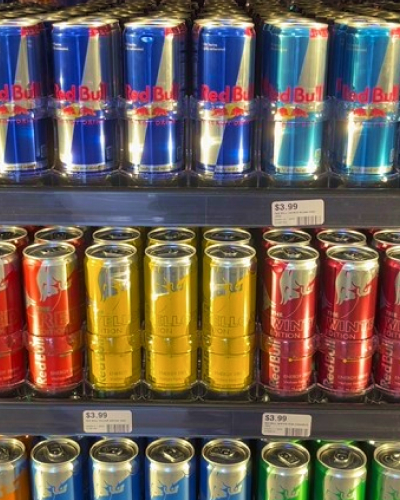
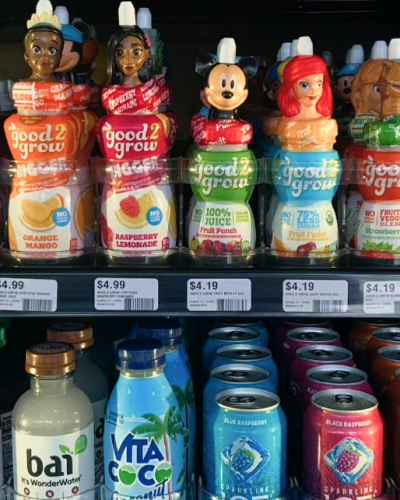
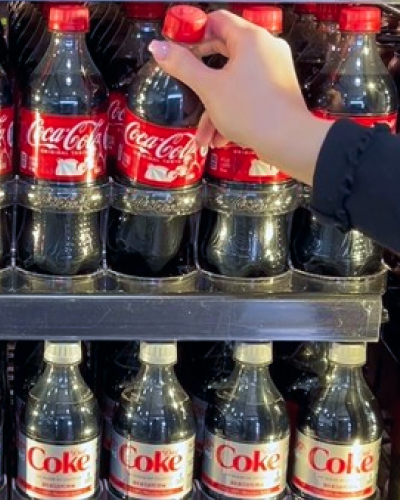
The cold vaults that perform consistently well share a few traits, regardless of whether they are running Coca-Cola, Pepsi, or a mixed independent set:
Front-faced 24/7
Product is at the shelf edge from the moment the door opens, not three inches back. This is what makes the seven-second shopping decision possible.Maintained without thinking about it
The fixture system does the work of facing gravity, spring tension, or both, so store associates can focus on restocking rather than constantly conditioning the set.Designed for the package, not against it
The right glide width, depth, and front retainer height for the actual SKU mix on shelf. A glide that's wrong by a quarter inch will fight the operator forever.Built to outlast the planogram
Cold vault fixtures take a beating from cold humidity, restocking impact, and constant shopper contact. A two-year fixture in a cold vault is a recurring labor and replacement bill.
Share of in-store C-store sales from packaged beverages
NACS State of the Industry, 2025
The bigger picture
It is tempting to treat the cold vault as a solved problem. The category is mature, the players are familiar, and the fixtures have been in place for years. But the way shoppers actually use that sixty square feet has changed materially in the last twenty-four months, and the gap between cold vaults that have adapted and cold vaults that haven’t is widening.
Energy keeps accelerating. Multipacks are arriving where they didn’t used to be. Shoppers are more willing to walk out empty-handed than they were five years ago. The retailers and brands who treat the cold vault as a living system — not a fixed installation — are the ones whose numbers are still moving in the right direction.
The RTC Beverage Merchandising Team designs glide systems, multipack solutions, and fast-lane fixtures used in tens of thousands of cold vaults globally. Learn more about our beverage merchandising work at rtc.com/ready/beverage-merchandising.